









 Back
Back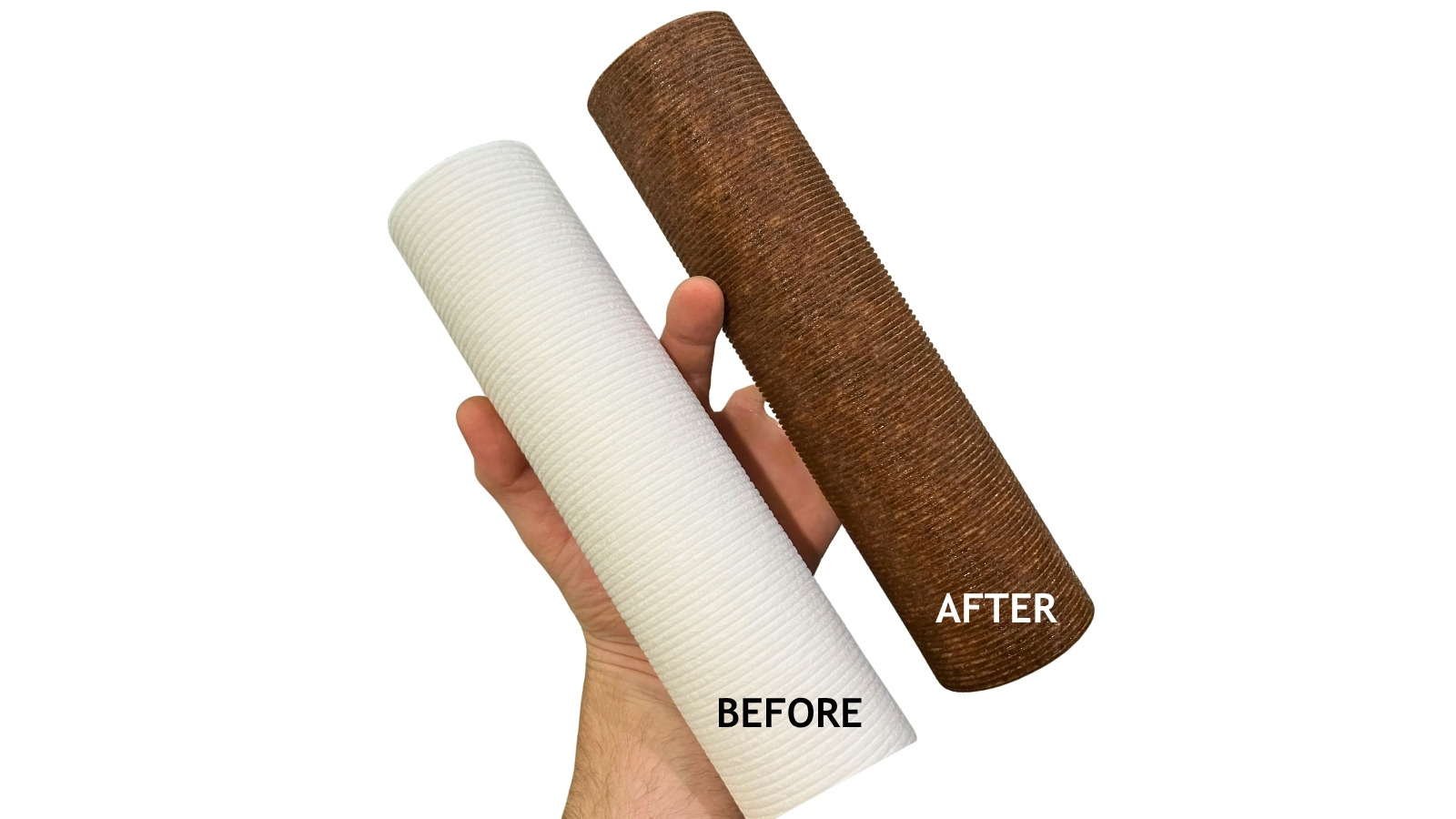
At Water2water, one of the most common questions we hear is, “How often do I need to change my water filter?”
The general guideline is every 6 to 12 months, but there are some key factors that will influence the lifespan of water filters in your home or business.
These include the quality of the water entering your property, how much water you use and what kind of filtration system you have.
In this blog, we explain how long water filters typically last, what can affect filter performance, signs your filter needs changing, and how to change an under-sink water filter.
How often do Water Filters need replacing?
As a general guide:
- Under-sink sediment and carbon filters – Every 6–12 months
- Reverse Osmosis (RO) pre-filters – Every 6–12 months
- RO Membranes – Every 2–4 years
- Whole-house filtration systems – Every 6–12 months
- Portable and bench-top filters: Every 3–6 months
In areas with high sediment, minerals, or chlorine levels, like remote areas of WA, including the Pilbara, your filters may need replacing more frequently.
What affects how long a Water Filter will last?
Several factors determine how long your water filter will work at its best.
Water Source
In Western Australia, the source of the water coming into your property plays a significant role in the lifespan of water filters.
Municipal mains water is treated to meet Australian drinking water guidelines, but its characteristics can vary depending on location.
In Perth and the south-west, mains water is often a blend of groundwater, desalinated water, and surface supplies.
While this water is safe to drink, it can contain higher levels of dissolved minerals, chlorine and hardness which can cause filters – especially sediment and carbon filters – to degrade or clog up more quickly.
In regional areas like Karratha, Tom Price and across the Pilbara, long pipe networks and older infrastructure can also contribute to sediment or taste issues by the time mains water reaches the tap.
Many properties in remote areas rely on bore water, which often requires specialised filtration including UV disinfection, water softening, and heavy metal removal, alongside sediment and carbon filtration.
This is because many bore water supplies in Western Australia contain higher levels of sediment, iron, manganese, minerals, and salinity which can shorten filter life and affect the taste, colour, and effectiveness of regular filtration systems.
Understanding the quality of your source water is essential to help you choose the right filtration system for unlimited safe, clean drinking water.
Water Usage
Larger households, busy workplaces, or commercial settings process more water in less time, hence shortening filter life.
Filter Type and Quality
Not all filters are created equal. Higher-grade carbon, multi-stage filtration, and certified components generally last longer and perform better.
Filter System Maintenance
Correct installation and regular system servicing and sanitisation ensure filters always operate efficiently and don’t fail prematurely.
What happens if you don’t change your Water Filter?
As a filter reaches the end of its lifespan, it becomes less effective at removing contaminants.
A clogged or saturated filter may allow:
- Chlorine and chemical tastes to pass through
- Sediment, rust, and fine particles
- Unpleasant odours caused by organic material buildup
- Dissolved contaminants the filter media can no longer absorb
- Potential bacteria growth, particularly in overdue filters where chlorine has been removed and the water stagnates.
Replacing filters on time makes sure your system continues to protect water quality rather than compromise it.
Signs your Water Filter needs replacing
You may notice one or more of the following:
- Reduced water flow or pressure
- Changes in taste or smell, such as chlorine or metallic flavours
- Cloudy or discoloured water
- Filter change indicator alerts (on newer systems)
- It has been 6–12 months since the last replacement
When in doubt, it’s always safer to replace the filter rather than push it beyond its recommended lifespan.
Water filters are consumables – much like food past its use-by date, you may not notice an issue immediately, but performance and quality can no longer be relied on.
How to change an under-sink Water Filter Cartridge
Most under-sink systems are designed for straightforward cartridge replacement:
- Turn off the water supply to the filtration system
- Open the filtered water tap to relieve pressure
- Unscrew the filter housing (using a filter spanner if needed)
- Remove the old cartridge and dispose of it
- Insert the new filter, ensuring correct orientation
- Reassemble the housing and hand-tighten securely
- Turn the water back on and check for leaks
- Flush the system for 5–10 minutes before use
Always follow the manufacturer instructions, as designs vary.
If you’d rather not do this yourself, Water2water can fit the right filter for your system, sanitise the system and ensure everything is sealed, flushed and test correctly.
Why regular Water Filter replacement matters
Changing your water filter on schedule helps ensure:
- Clean, great-tasting drinking water
- Ongoing protection from sediment, chlorine, bacteria, and chemicals
- Longer lifespan of your filtration system
- Reliable water quality for homes and workplaces
Need help replacing your Water Filters?
Water2water supplies, installs, and services under-sink filters, reverse osmosis systems, whole-house filtration, water coolers, and industrial systems across Perth, the Pilbara, and regional Western Australia.
Our Servicing and Maintenance Plans include regular filter replacement and system sterilisation for an affordable monthly – removing all the hassle of remembering when filters are due.
If you’re unsure which filter you need, or when it was last changed, our team can check and take care of everything for you.
You can call us on 1300 880 303 or drop us an email purify@water2water.com.au.
Clean water starts with the right filter — changed at the right time.